
Why business videos feel stiff and inauthentic — and what it quietly costs you.
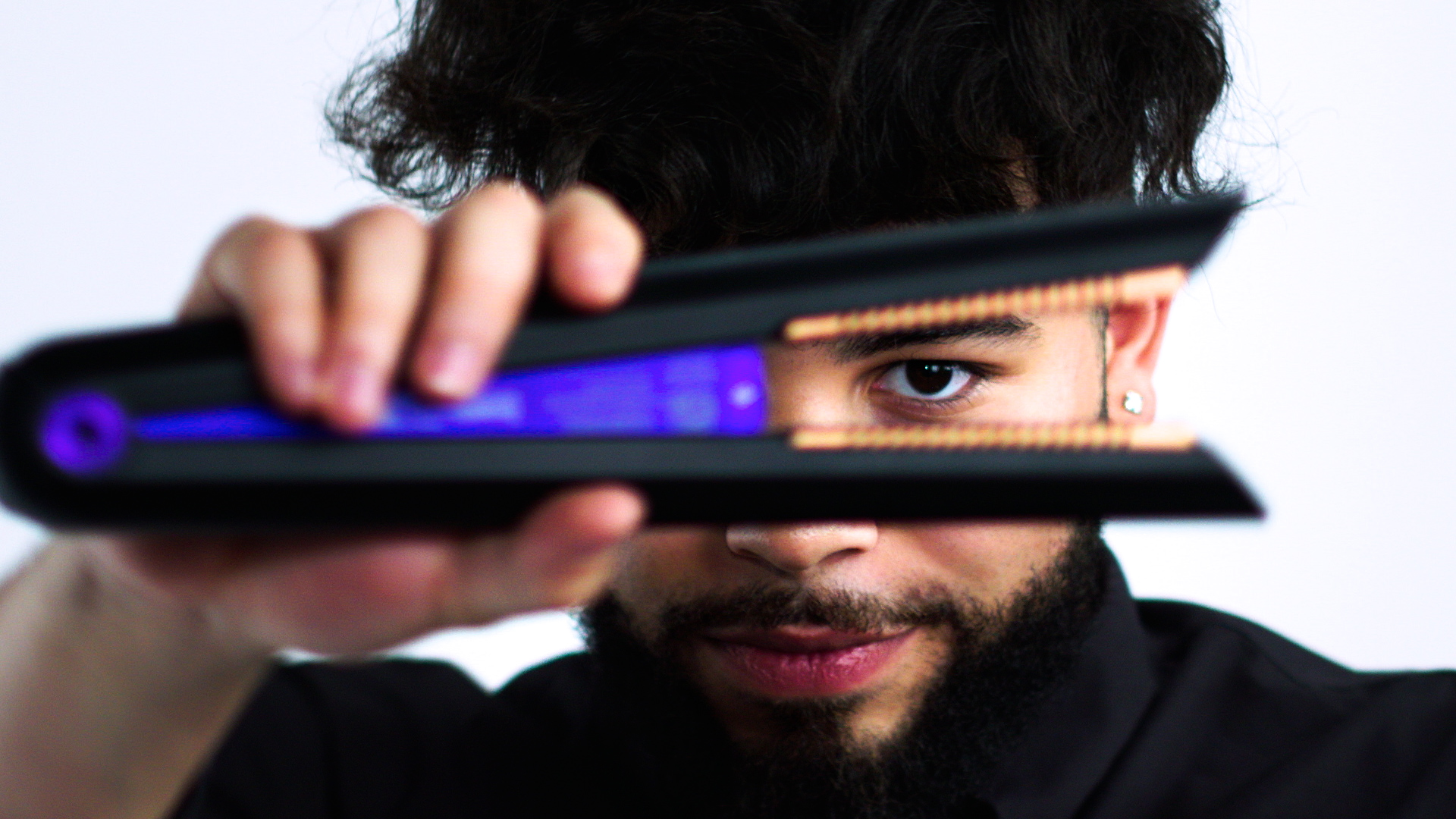
People can tell when you're performing — and they trust you more when you stop.
Here's the fear, more or less: you get on camera, go stiff, sound corporate, go blank on the script you had to memorize, and end up with a video that looks like everyone else's.
It's a fair fear. Most videos do come out that way. But the reason isn't the one you'd think. It's not that you're bad on camera — it's the process. Most video gets made in a way that's built for performing, and you're not a performer. You run a business.
Change the process and the stiffness goes. What's left is the version of you people actually trust. And, as it turns out, pay more for.
The camera is the problem. Literally.
Everyone knows people freeze up on camera. That's not the interesting part. The interesting part is why — and it isn't nerves.
Talking is something you already do well, on autopilot. You don't think about it. But the second you feel watched, you start watching yourself — and watching yourself is what breaks it. Scientists call it paralysis by analysis. It's the same reason you'd trip on a staircase you've climbed a thousand times if you suddenly thought about every step.
Want proof? There's a whole field of research on "choking under pressure." One of the most reliable ways scientists trigger it in a lab is to point a camera at you.
The camera doesn't capture the stiffness. It causes it.
Now stack on the lights, the script, the mark on the floor, a stranger saying "rolling." Every one of those things drags your attention back to yourself. So you tense up and reach for safe, corporate words — not because that's who you are, but because that's what being watched does to a person.
The part that actually costs you.
The performance doesn't just feel awkward to you. Everyone watching feels it too — and they're unnervingly good at it.
Your brain knows the difference between a real smile and a "say cheese" one. So does everyone else's. A genuine smile (researchers call it a Duchenne smile) moves the muscles around your eyes; a performed one mostly moves your mouth. People catch the gap instantly, usually without knowing they caught it.
And it shows up where it counts. A recent study found people can spot a brand that's "performing" a mile off, that stiff, generic delivery is one of the fastest ways to lose their trust — and that 70% will pay more for a brand that feels real.
A performed video doesn't just miss the purpose. It quietly tells people not to trust you.
So how do you stop performing?
Not with a confidence coach. Not with twenty takes until you "loosen up." Those just aim more attention at you — which is the whole problem.
You stop performing by never starting.
Before we film anything, we talk. A few real conversations about the business and the people in it. By the time there's a camera in the room, there's no script and nothing to perform. You're just continuing a conversation you've already been having. Your attention's on the talk, not on yourself, and the autopilot kicks back in. The real you shows up, because nothing's asking you to be anyone else.
We don't make you good on camera. We make the camera stop mattering.
If you remember one thing:
When a video comes out stiff, look at the process before you blame yourself.
Ask whoever's making it one question: how much time will you spend getting to know me before you hit record? If the answer is some version of "we'll figure it out on the day," that's where the stiffness comes from. Not from you.
The real you doesn't need coaching. It needs room to show up. That's the version people trust — and the one they pay for.