Recruiting: Why Great Candidates Pick the Big Name, and How Small Teams Win Them Back.

Your Next Great Hire Already Looked You Up. What Did They Find?
Something I've noticed about small practices and firms that struggle to hire: the problem usually isn't the job. It's that nobody outside the building can tell what the job is like.
A good candidate finds your posting and checks your website. They see a stock photo and the phrase "collaborative culture." Then they take the offer from the employer whose name they recognize.
A bigger salary won't fix that. Letting people see inside will.
The talent pool shrank. The big names didn't. Every one of these markets has the same squeeze:
- Medical practices: Nearly half of practice leaders say medical assistants are the hardest role to fill, and hospitals and urgent care centers keep hiring them away. (MGMA)
- CPA firms: The number of new CPA exam candidates dropped by about a third in one year. (AICPA)
- Small B2B firms: Most small businesses that are hiring say their biggest obstacle is competing with larger employers. (Goldman Sachs)
When fewer people are looking, they drift toward the safe choice, which is usually the name they've already heard.
You can't outspend the big names. You can be more effective than they are.
Candidates do their homework, and many small companies give them almost nothing. Most job seekers research a company before they apply. (Glassdoor) The hospital system or big firm down the road has hundreds of reviews, a careers page and a LinkedIn feed full of people. You have an About page.
Worse, your About page probably says "we're like family." So does every other About page. Candidates have read that line so many times that it now makes them a little nervous.
If a stranger can't picture a Tuesday afternoon at your office, they'll go somewhere they can.
They'll believe your people long before they believe you. Candidates trust what employees say about a company about three times more than what the company says about itself. (LinkedIn)
That changes what a recruiting message should sound like.
Picture this: Your office manager, on camera, explaining that she left a bigger practice because she missed her kid's games, and hasn't missed one in six years here.
That resonates much deeper than saying "We value work-life balance."
The first is a claim. The second is evidence. Younger candidates are checking for this in particular. Nearly half of Gen Z workers say they've left a job that felt like it had no purpose. (Deloitte) They aren't asking whether you have values. They're asking whether anyone on your team can tell them about one without reading from a card.
A careers page tells candidates what you're like. A video lets them decide for themselves, and people trust their own conclusions.
A little honesty about the hard parts works in your favor. This part surprises people. Research on "realistic job previews," where employers show the real job including the tough parts, finds they reduce turnover. They mostly work because the employer comes across as honest. (Personnel Psychology, meta-analysis of 52 studies)
The polished version has a hidden cost. When the job doesn't match the pitch, people leave, and replacing one employee costs somewhere between half and twice their salary. (Gallup) On an eight-person team, one bad fit can quietly eat a quarter.
A good recruiting video should turn away a few people. Those are the ones who would have quit in month four.
Video is the secret weapon most small employers leave on the table
If you do one thing to fix hiring this year, make it video. Nothing else a small employer can do carries more weight per dollar, for three reasons.
- It carries trust that text strips out. A quote on your website is still text, and candidates know someone picked it, edited it and maybe polished it a bit. Video shows what can't be edited in: the pause before someone answers, the way their face changes when they talk about the week they almost quit, whether they laugh at their own joke. Those are the cues people use to decide whether to trust someone.
- It answers the question that actually decides offers. Candidates want to know would I like working with these people? That question decides more job offers than salary does, and no list of benefits can answer it. A one-minute video can.
- It turns being small into an advantage. A health system's or national firm's recruiting video shows five employees out of five thousand. Yours can show the actual people a new hire would sit next to on Monday morning. That's something the big name down the road can't match.
Candidates are already looking for it. Half of Gen Z job seekers say a day-in-the-life video from real employees would make them more likely to apply. (Zety, 2025)
What to put on camera
You don't need an extravagant recruiting campaign. You need the right people saying true things.
- Who: The people a new hire would sit next to, not just the owner or lead physician. Ideally include one person who's been there for years and one who's fairly new.
- What: Why they stay. What a hard week looks like and how the team handles it. One thing that's different about working here that they couldn't get at a bigger employer.
- Where: In the job posting, on the careers page, in the interview confirmation email, and again during onboarding, so the first week matches the promise.
The hard part isn't the filming, it's the story
You can ask your team why they stay, and you should. But fair warning: people give polished answers to their boss. You'll hear "great culture" and "flexible hours," which are true but won't make anyone apply.
The real answer usually comes out in the second or third conversation, with someone who isn't signing their paycheck. It sounds like, "I came here after a practice that treated us like billing codes, and the first week, the doctor learned my kids names."
Then comes the second hard part: getting that same person to say it on camera without freezing up and turning into a brochure.
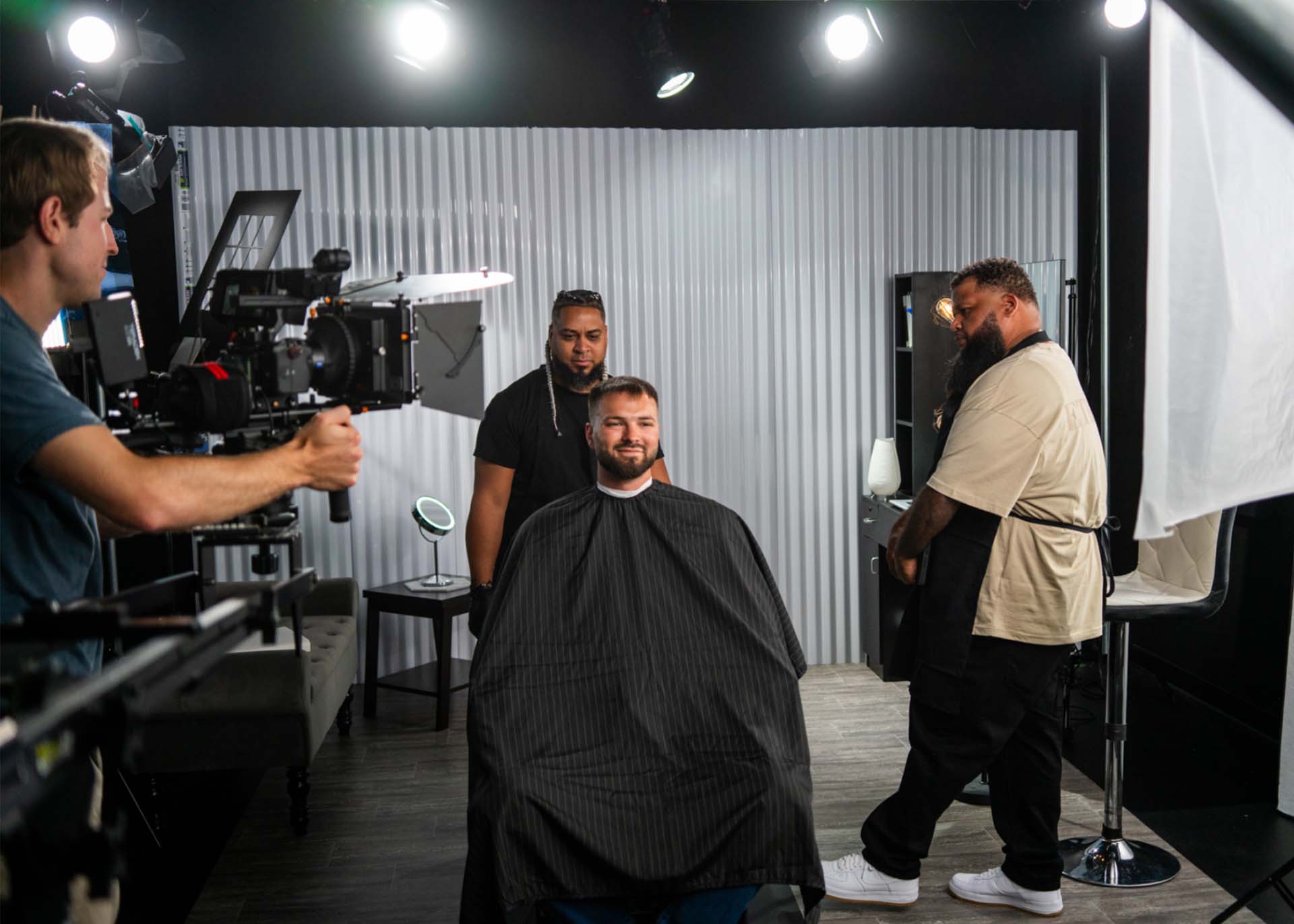
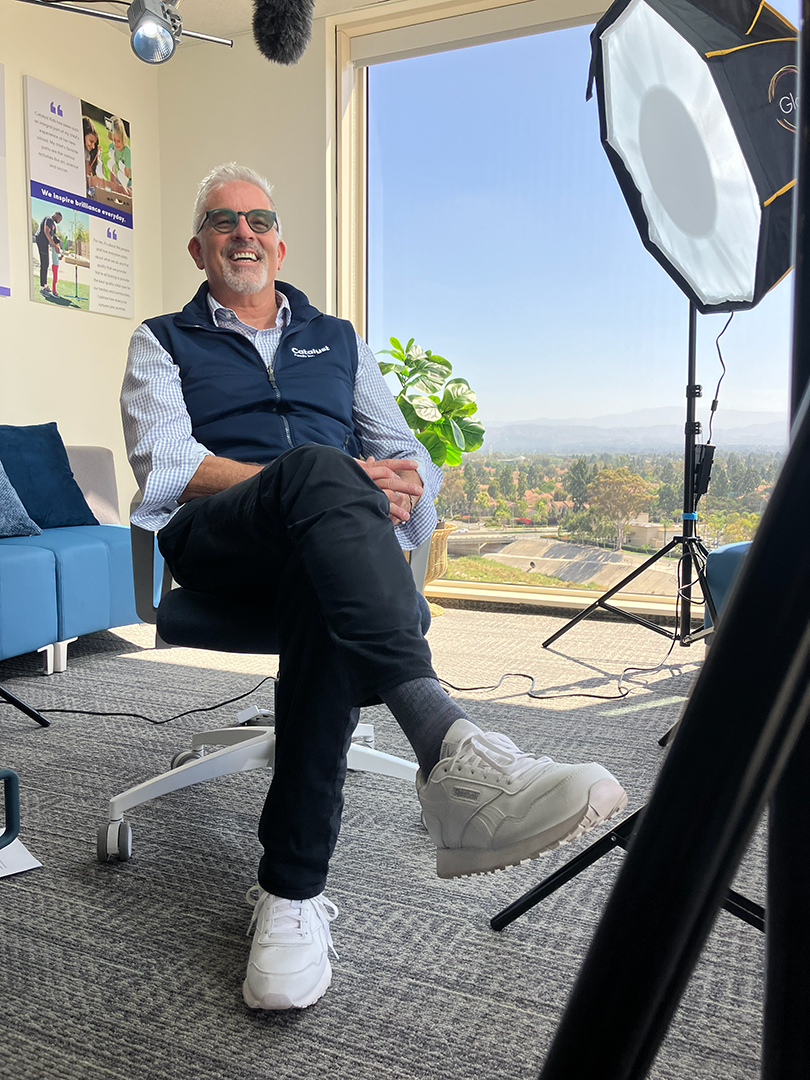
That's most of what we do. Before we film anything, we talk with three to seven people on a team. These are conversations, not interviews. By the time the camera shows up, they've already told us the story once, so they aren't performing it. They're just telling it again. Candidates can feel that difference in about ten seconds.
Try this this week
Ask three people on your team: "Why do you stay?" Write down their exact words.
If the answers are specific, you have a story worth telling well. If they're generic, that doesn't mean there's nothing there. It usually means nobody has asked the right way yet.
Your best recruiting pitch is already on your payroll. It just hasn't been filmed yet.