What Makes a Video Actually Carry Your Message
You already know what makes your company good. Put you across the table from a prospect, a new hire, or a skeptical CFO, and you'll make the case well. The catch is that you can't be at every table. Your message has to travel without you: on the homepage at 11 p.m., in an email forwarded to a decision-maker you've never met, in a new salesperson's first meeting.
A video can do that job, but realistically many don't. Here's how to tell the difference.
Worth knowing: in its research on the B2B buying journey, Gartner found that buyers spend only 17% of their purchase time meeting with potential suppliers, the rest happens in research, internal meetings, and conversations you'll never hear about. Whatever represents you in those moments is doing a lot of the selling.
Most videos sound like the company, not the customer
A thing I've noticed: the videos that miss usually fail in one of three ways. They're scripted from the inside out, built on what the company assumes matters. They make the claims every competitor makes, like great service, innovative solutions, and a team that truly cares. Or they're beautiful and say nothing a buyer actually needs. It's the complaint I hear from executives most often. Everyone loved the drone shot. Nobody could say what the video was for.
If a competitor could run your video with their logo on it, it isn't carrying your message. The sameness problem is real. When CEB (now part of Gartner) studied B2B buyers with Google, it found that perceptions of business value barely differed between leading brands in an industry, and only 14% of buyers saw a difference between suppliers that they valued enough to pay for. "Great service" is table stakes. It doesn't tell anyone why you are unique.
Real people beat polished lines
Here's the truth: people believe people more than they believe brands. The 2017 Edelman Trust Barometer found "a person like yourself" (60%) far more credible than a CEO (37%) as a source of information about a company. Business buyers behave the same way. TrustRadius's 2026 B2B buyer survey found that even as buyers lean on AI for research, 94% still fact-check what it tells them, and user reviews remain among the resources that most influence what they buy.
Polish isn't the enemy, but it isn't the point. Wistia once had the same ad made at three budgets: $1,000, $10,000 and $100,000. The $10,000 version performed twice as well as the other two, at nearly half the cost per install, and Wistia's own read was that it told the clearest story. Research on spontaneity points the same direction. In a 2023 Journal of Consumer Research paper, people preferred performers who seemed spontaneous because they came across as more authentic, even when they expected the result to be rougher. That study looked at entertainment, not business video, so treat it as a signal rather than proof.
A customer saying it in their own words is worth more than the best line your team could write.
The message gets found before it gets filmed
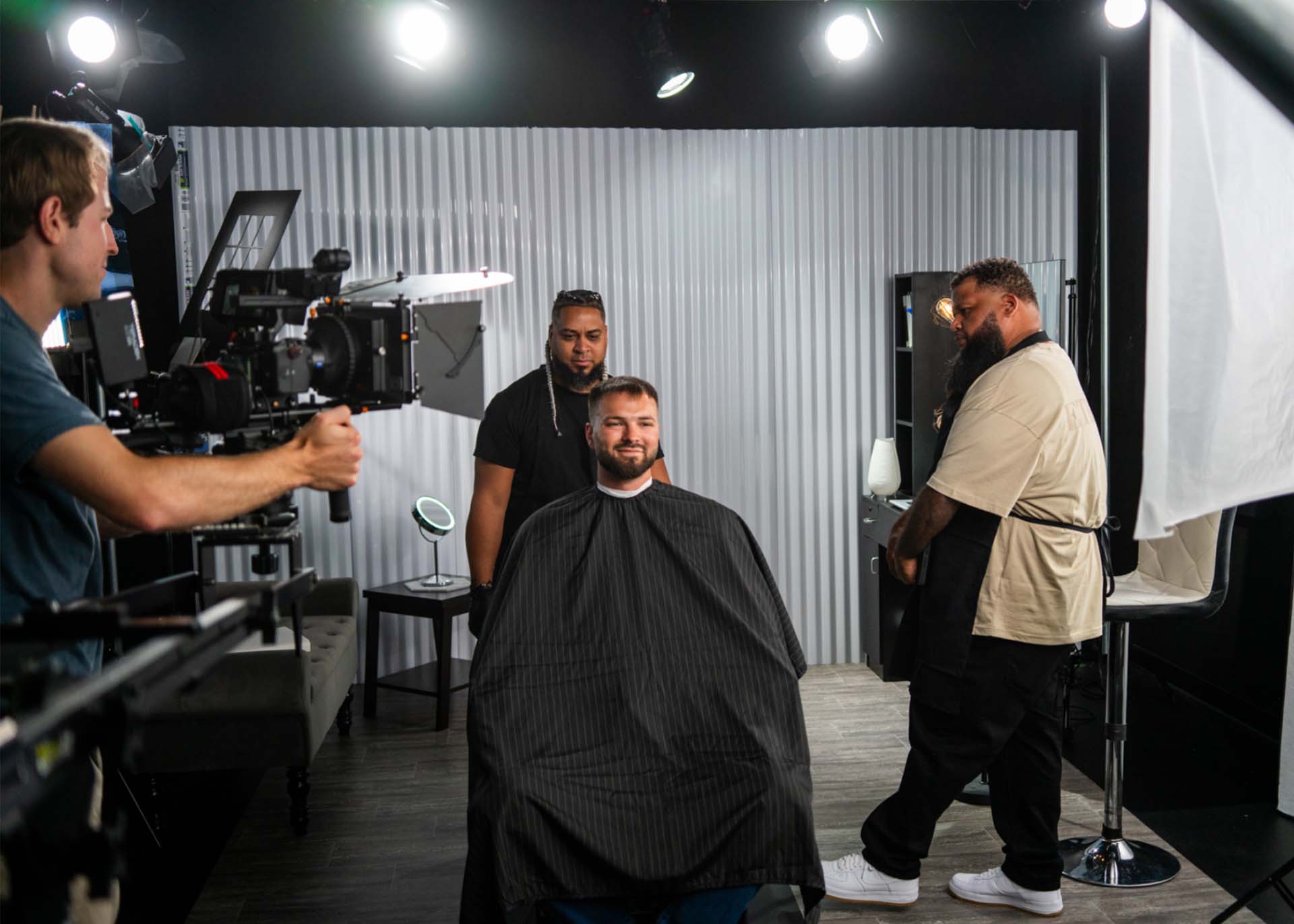
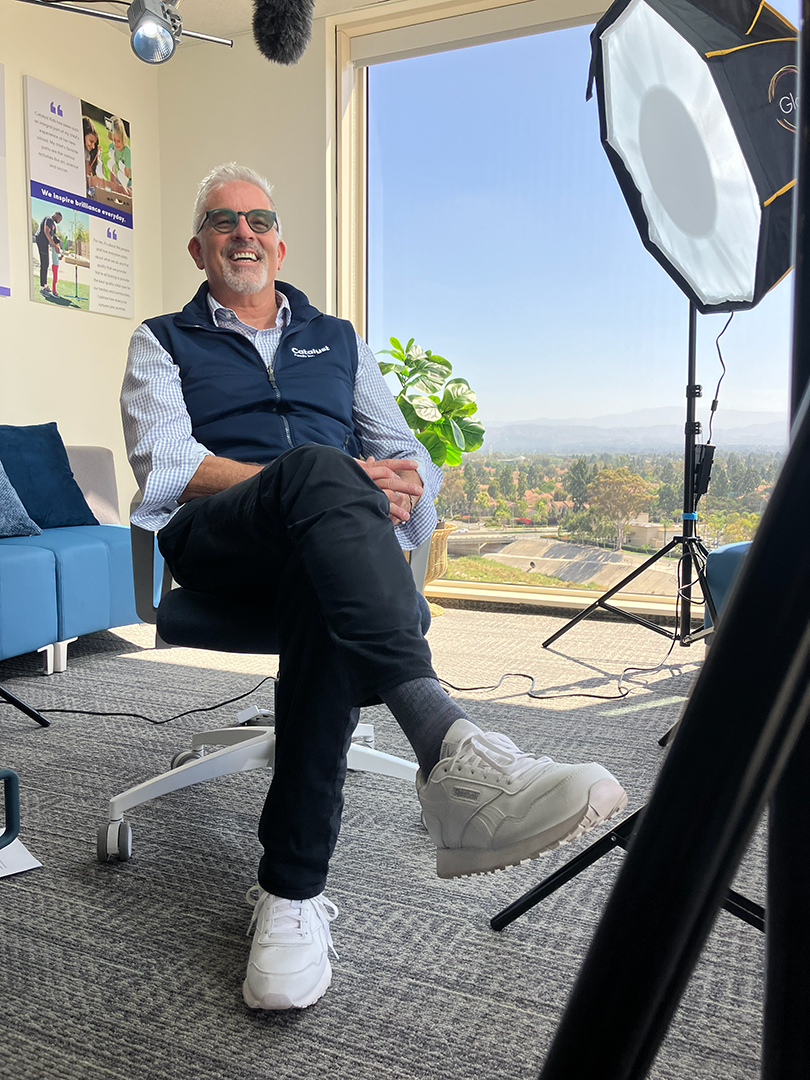
The best videos start with conversations, not a script. Before we turn on a camera, we talk with three to seven people around the business: a few team members, your best customers, and, if you're willing, the customer who almost didn't hire you. Each conversation runs 30 to 60 minutes. Then we look for patterns in what people say, build a story plan, and get sign-off before anyone sets up a light. There's a side benefit. By shoot day, the people on camera already know us, so they relax and simply sound like themselves.
You don't need a production company to work this way. Positioning expert April Dunford tells a story from early in her career: before a struggling product was shut down, she was asked to call its customers. Most barely remembered buying it. A handful loved it for a use the company had never marketed. The company repositioned around what those few customers said, and the product took off. Jobs-to-be-Done pioneer Bob Moesta makes a similar case: interview the people who actually switched to you, and you'll hear the real reasons, not the ones in the brochure.
Your customers already know your best line. You just have to ask them.
Every good video has one clear job
Before anything gets made, three answers should be on paper. Who it's for: one specific viewer, like the CFO who gets the forwarded link, not "everyone." What they should believe after watching: one sentence. And where it lives: homepage, sales follow-up, recruiting page, onboarding. A two-minute homepage story and a 45-second follow-up for a nervous buyer are different videos.
Also remember that business buyers are people taking a personal risk. The same CEB and Google research found that personal value, like confidence and pride in the choice, had twice the impact of business value across the purchase outcomes it measured. A video that helps someone feel safe recommending you to their boss is doing real work.
A video that tries to do everything ends up doing nothing for anyone.
A few questions to ask before you make any video
Whoever makes it, whether that's you, your team, or a production company, these questions will tell you most of what you need to know:
- Who, specifically, is this for, and where will they see it?
- What should they believe after watching that they didn't before?
- Could a competitor say the same thing? If so, what's ours alone?
- Whose voice carries it: ours, or our customers' and team's?
- Who will we talk to before anyone writes a word?
- What does it need to do in the room we're not in?
If a vendor can't help you answer these, that's worth knowing too. And if you already have a video, run it through the same list. It might be closer than you think. Either way, you've done the hard part already. You know what your company stands for. The rest is helping it travel.
SIZZLE&BOOM© is a Tampa-based video agency working nationwide. We make brand and testimonial videos for professional service firms, medical practices and B2B companies. Every project starts with conversations, long before the camera comes out. If you're thinking about a video and want to talk it through, schedule a call.