Two Words You Should Never Hear on a Brand Video Shoot
"Rolling." "Action."
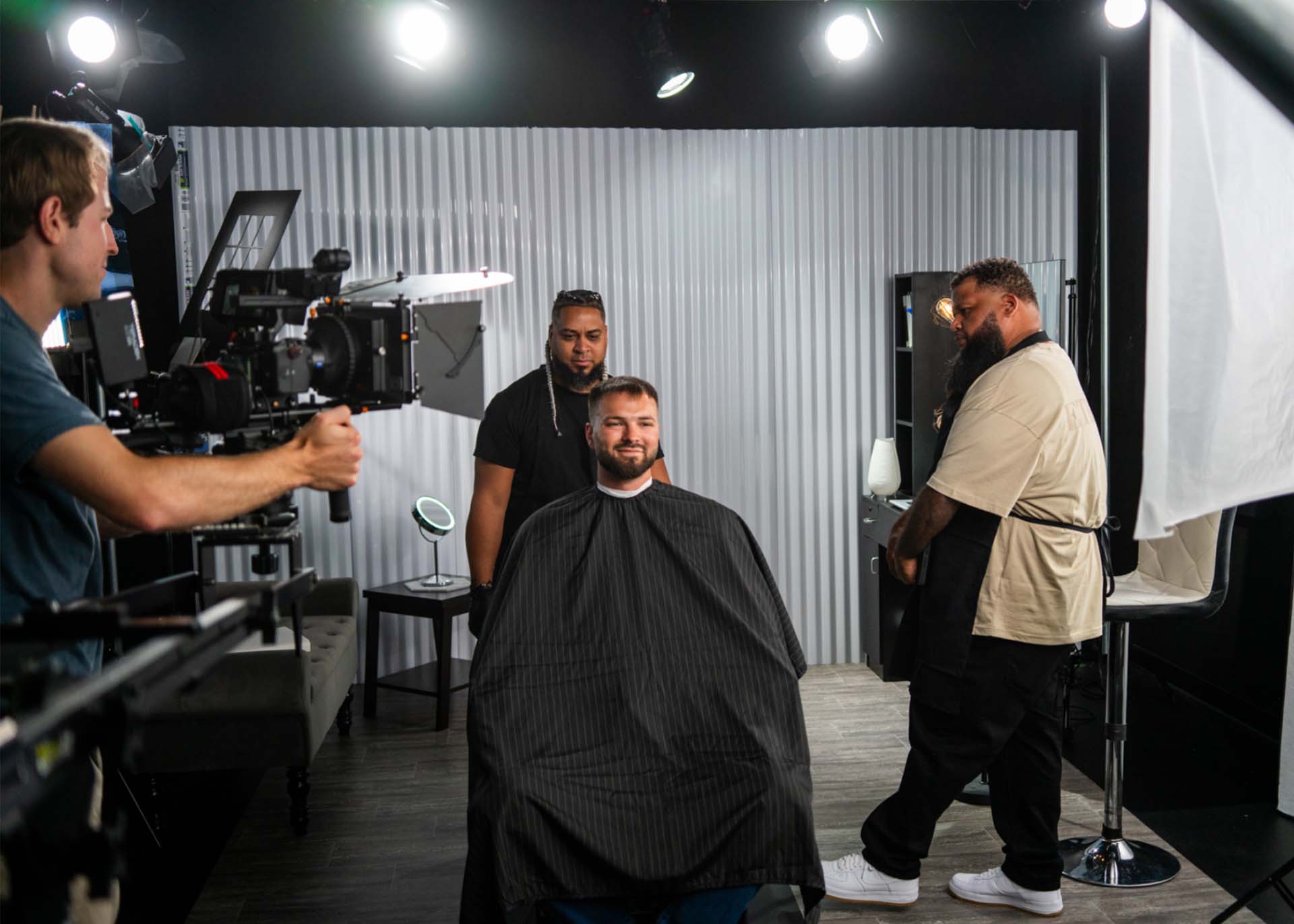
I've heard those two words thousands of times. Before I started making brand videos, I spent years on film sets for companies like HBO and Netflix, where you hear them all day long. On a scripted set, they're exactly right. They tell the actors it's time to perform.
That's also the problem. A lot of brand video shoots borrow the habits of scripted filmmaking and use them on people who aren't actors. A brand video works when you feel like you're hearing from a real person who means what they say. Those habits are the first thing that breaks it.
You're not capturing a line. You're observing a moment.
That sounds philosophical. It's actually the most practical idea here.
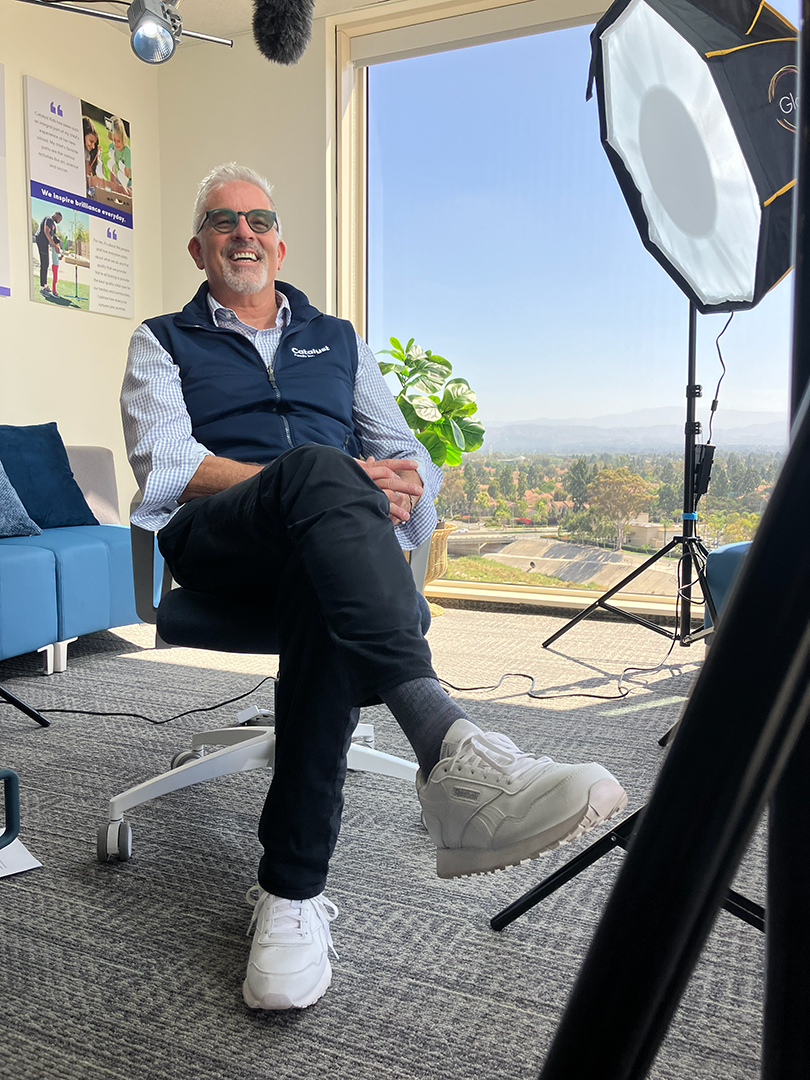
Think about when you're at your best. For most of the people I film, that's in the middle of a conversation with a patient or client. They might be doctors, consultants, or founders, and they're explaining something they know deeply. In that moment they're relaxed, clear, and persuasive without trying to be.
That's their element. A film set is an actor's element. It isn't yours, and it shouldn't have to be. (There's real science behind why a camera pulls people out of it. I wrote about that here.)
Nobody wants to watch a doctor act. They want to see how the doctor thinks, what they care about, and whether they can be trusted. A good interview is built to keep you in the place where that comes through on its own.
Three things make most of the difference.
1. It should feel like a conversation, because it is one
It's not a job interview. It's not a speech. It's definitely not a script reading.
The person asking questions should be talking with you, not at you. The room should support that too. Keep the pace calm, keep the crowd small, and don't let anyone rush. When the setting feels like a conversation, people talk like themselves.
2. The story should be figured out before anyone sits down
This one surprises people. A common approach is to show up, ask a lot of questions, and hope the story turns up in the edit. That's a big risk. Interviews that go looking for a direction tend to wander, and the person in the chair can feel it. Their energy drops and their answers get careful.
A good interviewer walks in already knowing the key points, the tone, and where the conversation needs to go. That frees them to pay attention to you instead of their notes. They can follow your energy, pick up on the moments that matter, and steer gently without breaking the flow.
This is why we talk to three to seven people before we film anything. That usually includes the team, a longtime customer, and sometimes the one who almost didn't sign on. By the time the camera is on, the story has mostly revealed itself. The interview is just a chance for you to say it in your own words.
3. Nobody should say "rolling" or "action"
Back to where we started. Those words announce that the performance has begun. The moment the person in the chair hears them, the conversation turns into a stage, and suddenly they're somewhere unfamiliar. Their shoulders go up and their sentences get stiff. The thing you were trying to capture is gone.
So the whole crew has to protect the room. The cameras start quietly, signals happen without announcements, and nobody makes a show of beginning. It's a small discipline, and it matters more than any piece of equipment on set.
What a good interview feels like
The best compliment I get on a shoot usually comes near the end. The person looks up and asks, "So when do we start the interview?"
And I get to say, "We actually have everything we need. We're just wrapping up."
That's the goal. It isn't a great performance. It's a great conversation that happened to be filmed.
About the author: Andrew Celmins runs SIZZLE&BOOM, a Tampa video studio that makes Brand Stories and Impact Stories for professional services firms, medical practices and B2B companies. If you're thinking about a video and want to talk it through, schedule a call at your convenience.